Stories change what becomes possible.
100 Stories is a place to witness, celebrate, and understand one another through story, art, and culture.
Mission
100 Stories exists to make visible the stories through which we make meaning, change, and become.
We explore the transformative power of story—not only the stories people tell, but what happens when a story comes into view, is questioned, opens to possibility, meets choice, and begins to be lived differently.
Story is not confined to a stage or a page. It lives in a photograph. A body in motion. A song. A film. A painting. A poem. A conversation. A choice. Through live experiences, art, performance, and conversation, 100 Stories brings those moments of transformation into public view.
100 Stories is for everyone. We are especially committed to making room for stories that have too often gone unheard, and to building curator teams and storyteller slates that reflect the breadth of the communities we gather.
The transformative power of story
A story can protect us. It can constrain us. It can give meaning to something unbearable, carry a family across generations, make a culture visible, or organize an entire life. And sometimes a story that once helped us survive becomes the very thing we need to see differently.
That moment interests us. The moment the unquestioned becomes visible. The moment we ask what actually happened—and what we made it mean. The moment another possibility appears. The moment we choose what will continue to have authority over our lives. And the moment that choice becomes something we actually live.
Story does not exist only in words. It lives in image, movement, sound, performance, film, objects, memory, conversation, and choice. Different forms. The same profoundly human act of making meaning.
That is 100 Stories.
See
Recognition
What narrative is shaping how I see this?
Sort
Discernment
What is true, and what am I interpreting?
Expand
Flexibility
What else could this mean?
Choose
Agency
Given what I know, what do I choose?
Live
Enactment
What would that choice look like in how I live?
Why this. Why now.
We live in an age of almost unlimited information, interpretation, content, advice, and generated possibility. What we do not have in unlimited supply is human attention, judgment, meaning, or genuine encounter.
And much of modern culture asks us to treat ourselves as never-ending improvement projects: optimize your body, improve your leadership, build your brand, fix your mindset, become more productive, more successful, more resilient, more.
We don’t need another conference telling us how to be better.
We want to create something different: a place to witness and celebrate one another through story, art, and culture. A place to encounter lives unlike our own. To see what someone has inherited, survived, questioned, loved, lost, created, released, and chosen. To recognize ourselves in another person’s story—and to discover the places where their experience expands our understanding of what it means to be human.
Narrative Intelligence is everywhere because narrative is everywhere. We use stories to understand what happened, who we are, who other people are, what is possible, and what we should do next.
100 Stories makes that meaning-making visible. Not so we can become better versions of ourselves. So we can see one another more fully.
City by city
Story belongs everywhere. It is alive in dense cities and rural communities, on stages and in kitchens, in galleries and workplaces, in bodies, families, neighborhoods, and cultures.
100 Stories gathers 100 storytellers across 10 forms city by city—not because a place determines the stories people can tell, but because gathering changes what becomes possible when those stories meet one another.
Each place is rooted in its host community while remaining open to extraordinary storytellers beyond its borders. The geography may change. The creative forms may change. The people will always change. The human impulse underneath them does not.
We begin with two places Paige Williams calls home: Montana and New York City—two extraordinarily different creative environments connected by the same human need to make meaning. From there, 100 Stories will grow where storytellers, audiences, curators, partners, and communities invite it next.
One hundred stories. City by city.
A living cultural archive of transformation, city by city.
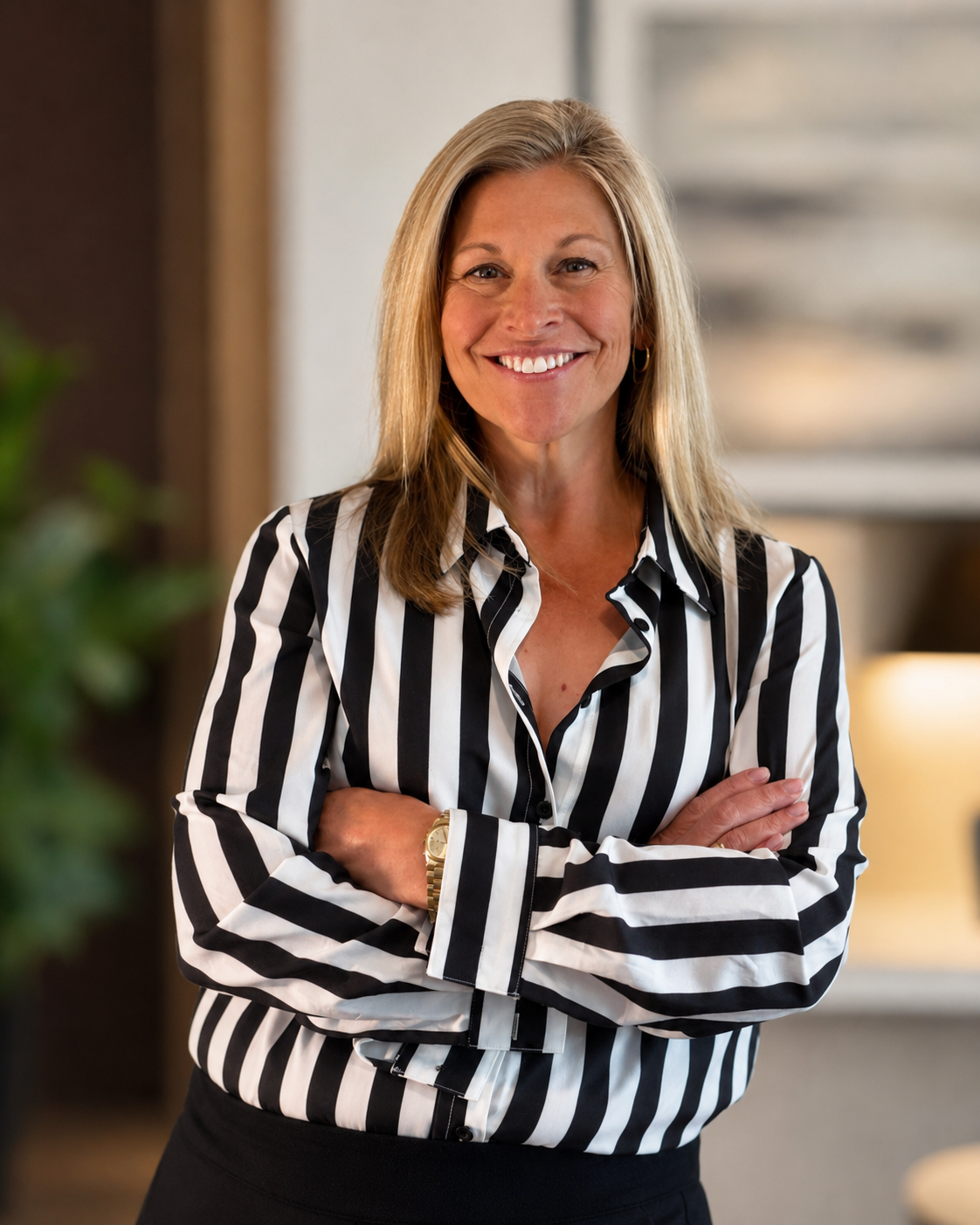
100 Stories was created by Paige Williams, a Narrative Intelligence researcher, innovation strategist, bestselling author, filmmaker, and founder of the Narrative Intelligence Project and StoryKeys.
For more than a decade, Paige built AudPop, a global platform that connected more than 80,000 filmmakers and creators with audiences and opportunities. Her work has always lived at the intersection of story, creativity, technology, and human change.
Today, her research explores Narrative Intelligence: our capacity to work consciously with the stories through which we interpret experience.
She created 100 Stories to bring that inquiry into public life—not only through conversation, but through film, music, movement, image, language, performance, and the many forms through which human beings make meaning through story.
Paige Williams lives between Missoula and New York City — the two most creative places she knows. 100 Stories began with a simple observation from a life split between them: transformational story is alive everywhere, because it's how people make sense of the world.
100 Stories is built to become an institution larger than any one person — the storytellers are the stars.
The work beneath the stories
100 Stories grew from an ongoing inquiry into Narrative Intelligence — our capacity to work consciously with the stories through which we interpret experience.
The Narrative Intelligence Project advances the research, field building, and public scholarship around that inquiry. 100 Stories is its public-facing cultural initiative, bringing the inquiry into communities through storytelling, art, conversation, and live experience.
StoryKeys applies Narrative Intelligence to consequential decisions, personal change, and organizational judgment.
See · Sort · Expand · Choose · Live
Explore StoryKeys