Press
Stories worth covering.
100 Stories is a live storytelling festival bringing together 100 storytellers across 10 forms to make transformation visible through story, art, and culture.
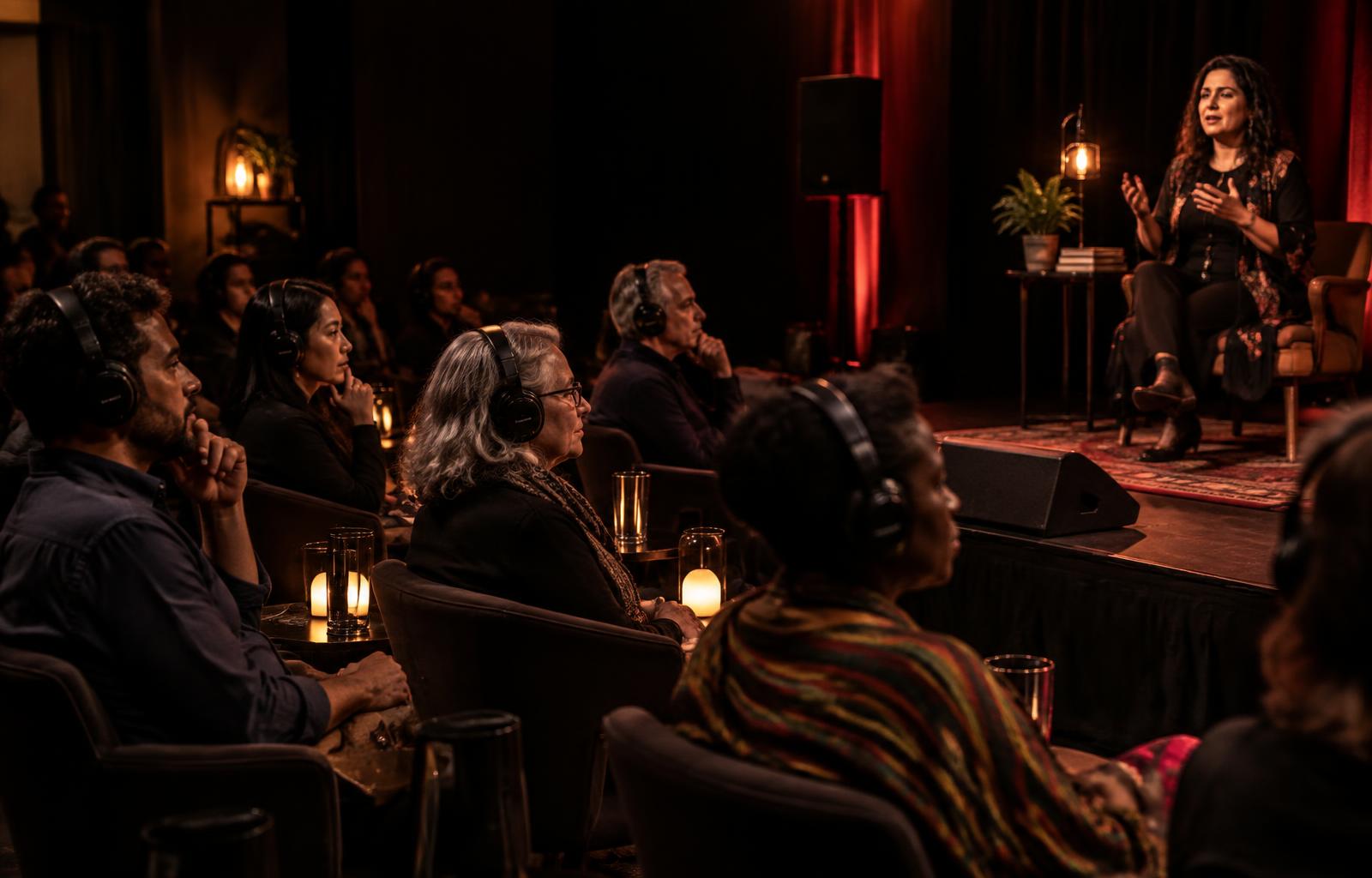
Each festival gathers a place around 100 stories — told through live talks, film, music, movement, image, performance, writing, audio, and multimedia.
100 Stories began as a series of long-form conversations from the Narrative Intelligence Project, exploring a central question: How malleable are the stories we live by — and what does it take to change one?
Now that inquiry is moving into public space through 100 Stories, the Project's cultural initiative. It launches in Montana and New York City.
What is 100 Stories?
A place to witness, celebrate, and understand one another — through story, art, and culture.
10 storytellers · 10 forms · 100 stories at every festival
Every storyteller shares a story of transformation: something inherited, believed, questioned, released, reclaimed, reinterpreted, or learned to live differently.
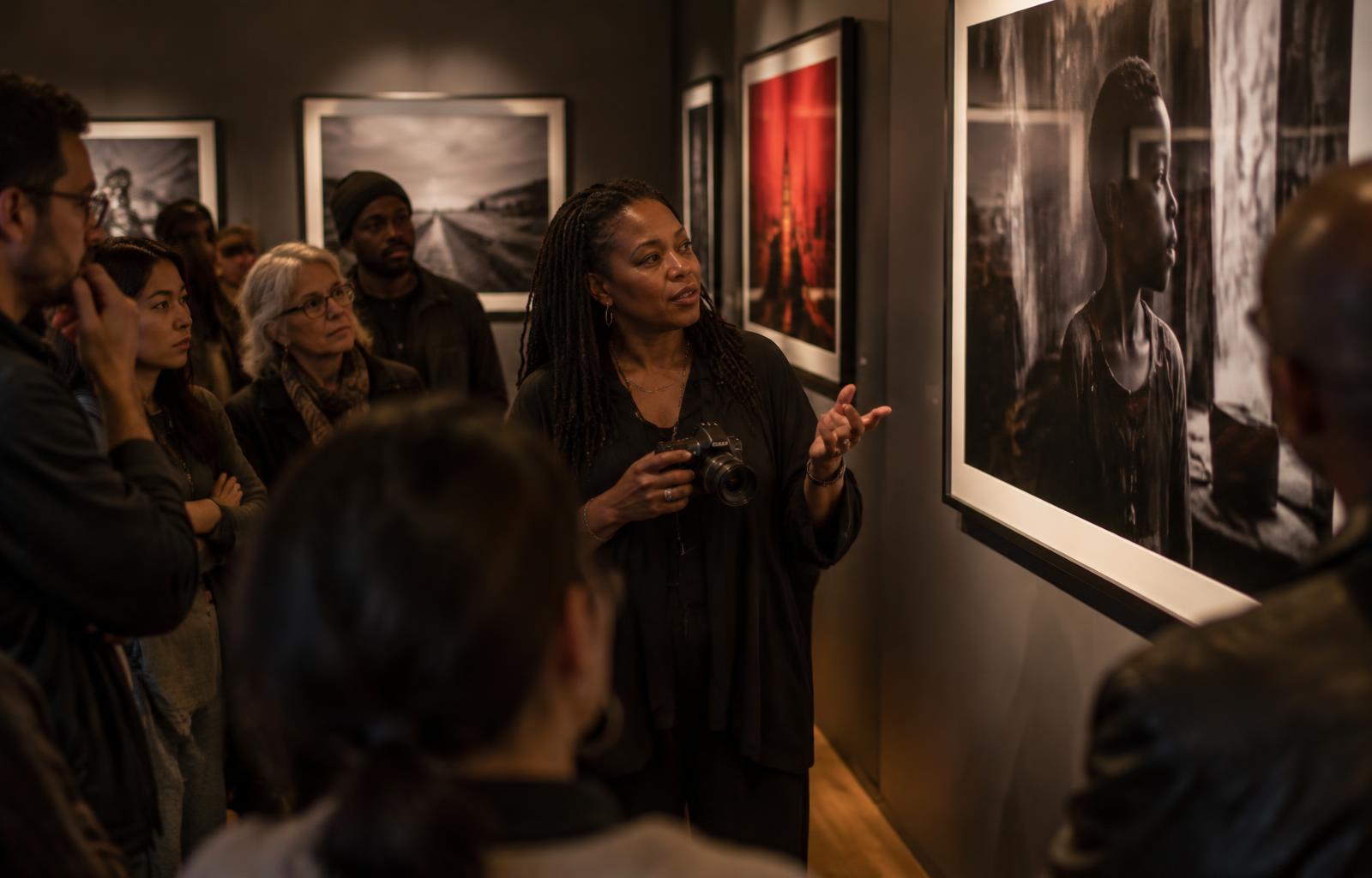
Story is not confined to a stage or a page. It can live in a photograph, a body in motion, a song, a film, a painting, a poem, a conversation, or a choice. 100 Stories creates a place for those transformations to become visible.
The festival is open to everyone, with a stated commitment to stories that have gone unheard. There is no fee to apply and no cost to participate. Storytellers keep the rights to their work and receive professional documentation of their piece. Curators select; sponsors and partners have no role in selection.
Why now
We live in a time of nearly unlimited information, content, interpretation, advice, and generated possibility. What feels increasingly scarce is something more human: attention. Meaning. Judgment. Curiosity. Genuine encounter.
100 Stories is not another conference telling people how to become better versions of themselves. It is a cultural gathering built around seeing one another more fully.
The idea beneath the festival
100 Stories grew from an ongoing inquiry into Narrative Intelligence — our capacity to work consciously with the stories through which we interpret experience. The work explores five human capacities:
01 / See
Recognize the story
02 / Sort
Discern what is true
03 / Expand
Open to other possibilities
04 / Choose
Decide what will continue to have authority
05 / Live
Put the choice into practice
The festival does not ask storytellers to teach the framework. The framework illuminates something artists and human beings have always done: make meaning from experience, and sometimes learn to live inside that meaning differently.
Founding places
Montana
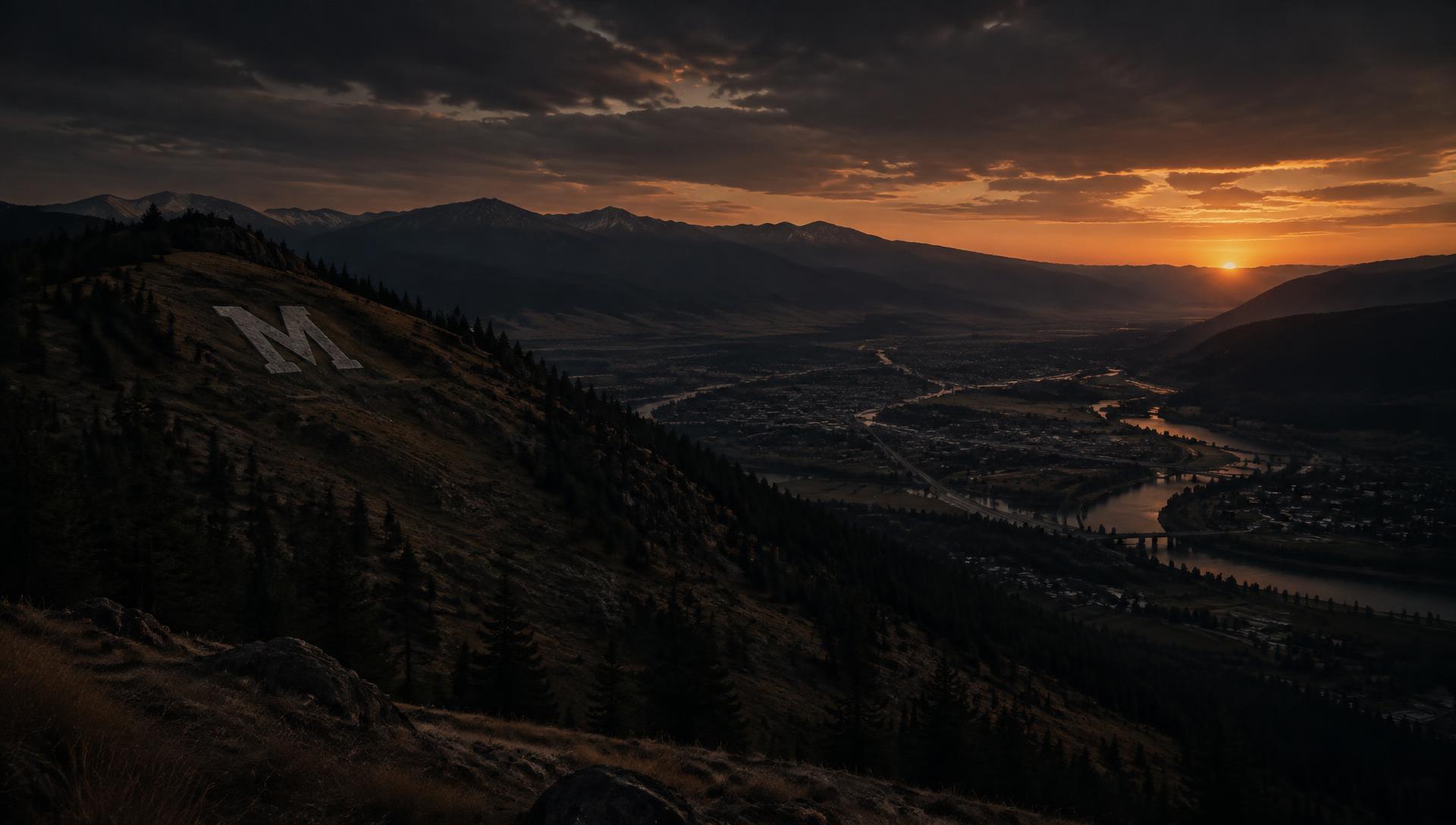
Presented in Missoula, drawing storytellers from across the state and those with a meaningful connection to it.
New York City
The same hundred-story structure in one of the world's most densely creative cultural ecosystems. Open to storytellers from anywhere.
Applications for both are open. The two festivals will be staged roughly two months apart, Montana first.
Different landscapes. Different creative communities. The same human need to make meaning.
Where 100 Stories goes next is decided by demand. Anyone can vote to bring the festival to their city at 100storiesproject.com/demand; the cities with the most storytellers, curators, venues, and audience behind them become the next places.
Story angles
100 Stories may be of particular interest to journalists and producers covering:
Culture and creativity
How live cultural gatherings are evolving beyond the conference model.
Storytelling and identity
What happens when the stories people understand their lives through begin to change.
Art and transformation
How different creative forms make change visible in ways conversation alone cannot.
Human judgment and AI
Why meaning-making, interpretation, and judgment matter as machines generate more content and more possible answers.
Place and creative communities
What Montana and New York City reveal when very different creative ecosystems are invited into the same experiment.
Narrative Intelligence
An emerging inquiry into how people recognize, examine, expand, choose, and enact the stories they live by.
About the founder
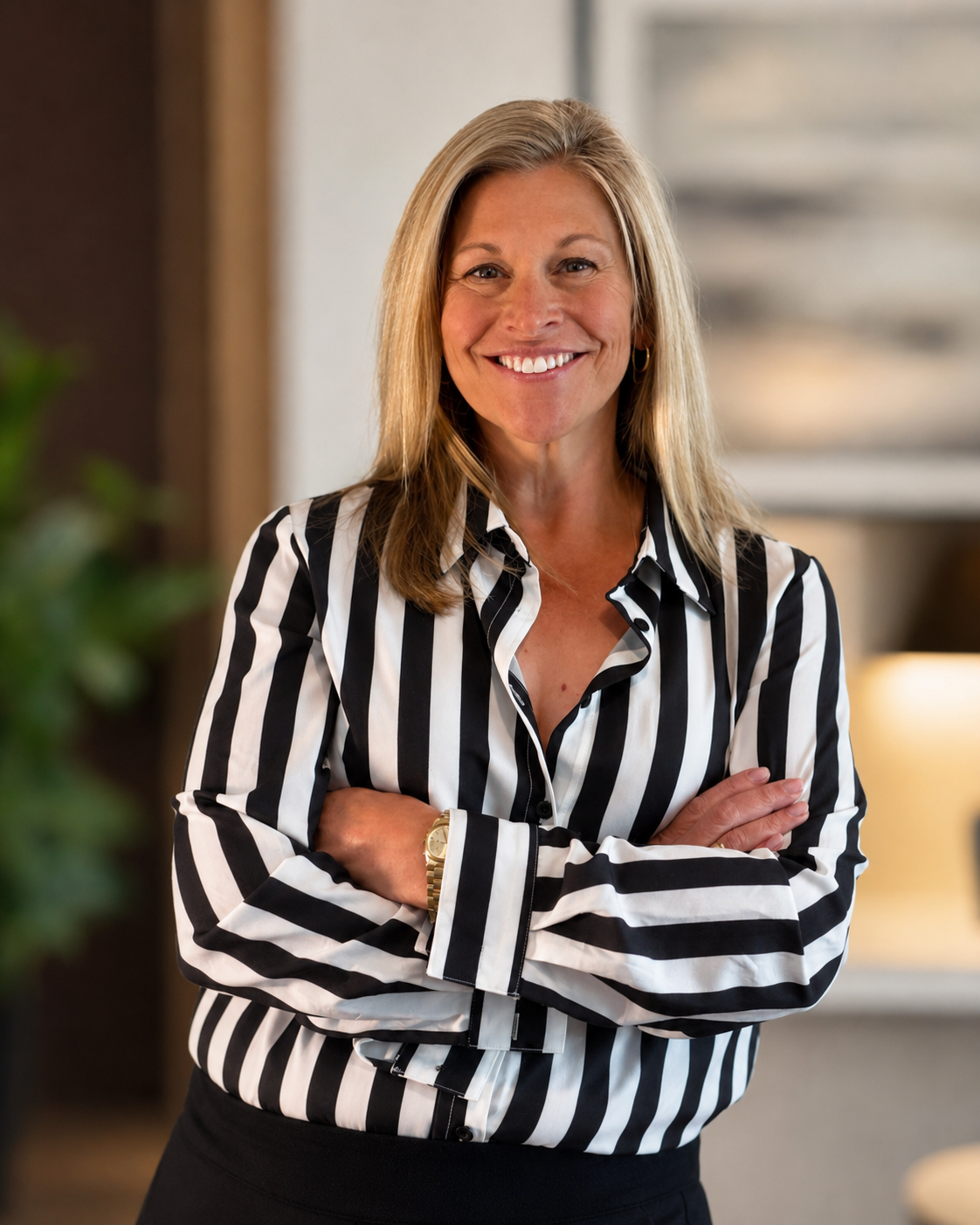
Paige Williams is a documentary filmmaker, bestselling author, and Narrative Intelligence researcher. She founded the Narrative Intelligence Project for research, field building, and public scholarship; created 100 Stories as its public-facing cultural initiative; and founded StoryKeys to apply Narrative Intelligence to consequential decisions, personal change, and organizational judgment. She previously founded AudPop, a global platform that connected more than 80,000 filmmakers and creators with audiences and opportunities and awarded $10 million to filmmakers. She was named to the Forbes Next 1000 and has been featured in The New York Times, Entrepreneur, and Inc.
She lives between Missoula, Montana and New York City — the two most creative places she knows, and the reason 100 Stories begins in both.
About Paige →Quotes
"We don't need another conference telling us how to be better. We wanted to build a place to witness, celebrate, and understand one another — through story, art, and culture."
"Story isn't a regional practice. It's how we make sense of a life, wherever we're living it. That's why we're starting in Montana and New York at the same time."
— Paige Williams, founder. Additional quotes and interviews on request.
The podcast
100 Stories, from the Narrative Intelligence Project features long-form conversations on the stories we live by and what it takes to change our relationship to them. The podcast remains an ongoing part of the project.
Listen to 100 Stories →Media resources
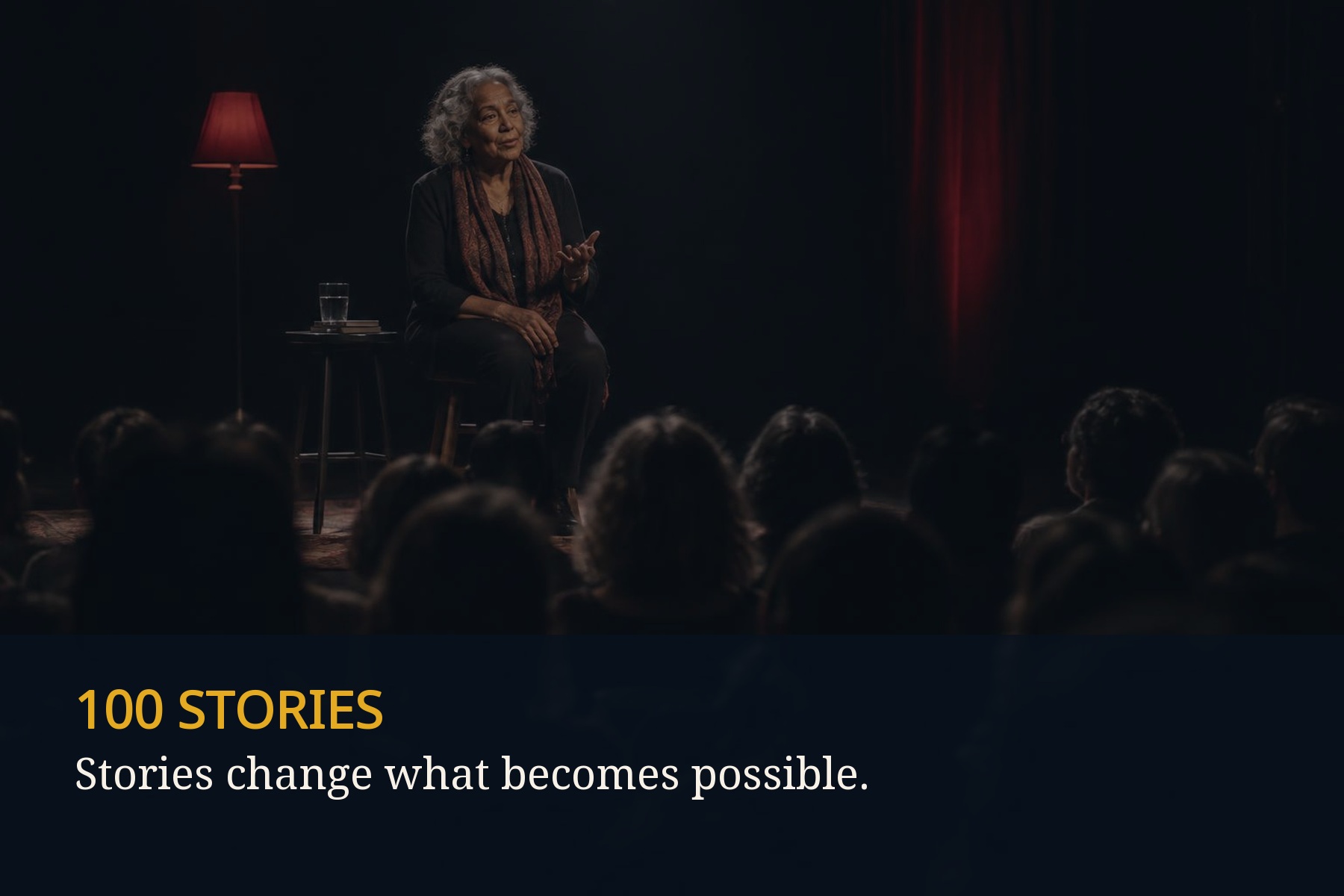
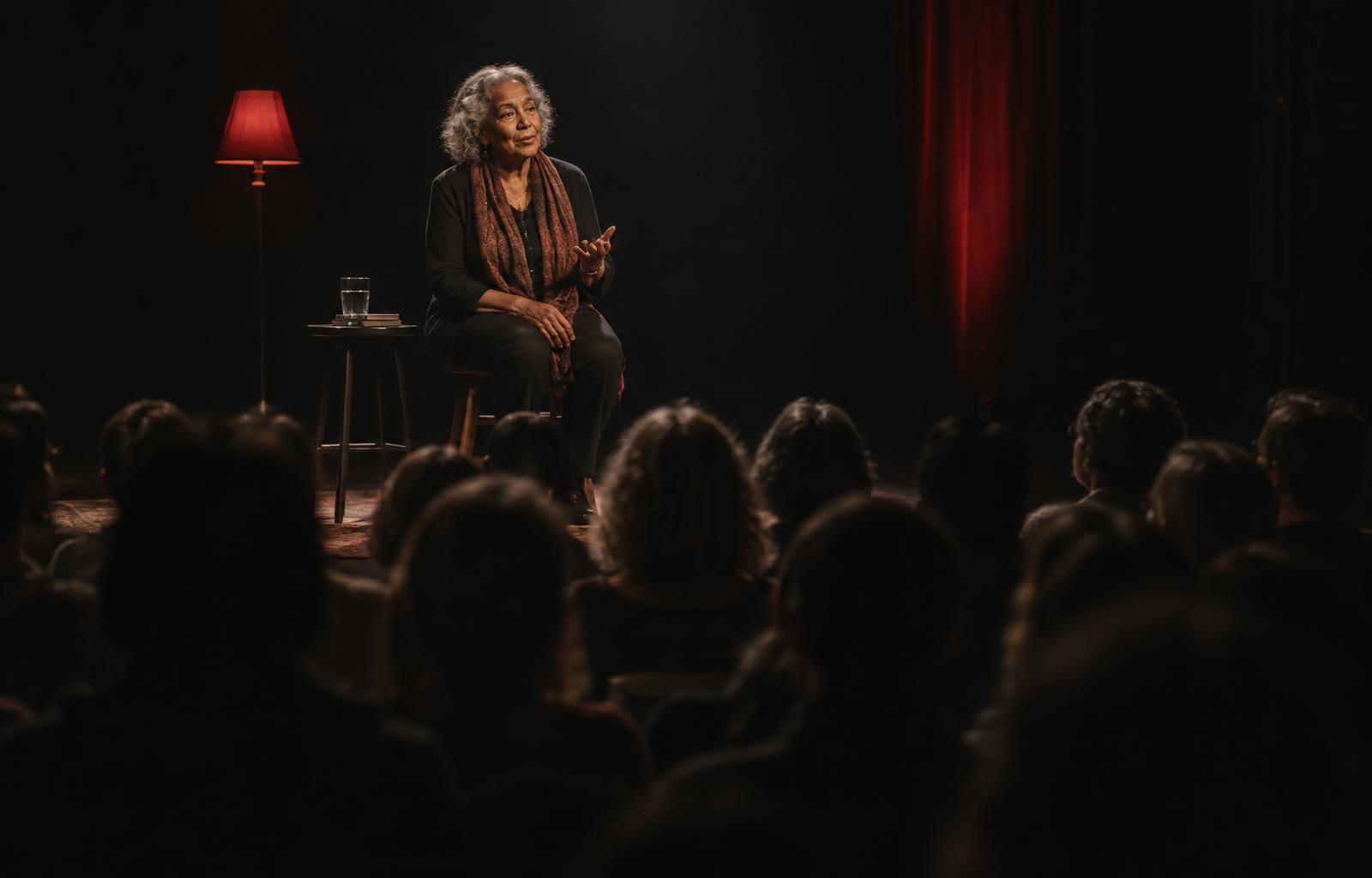
The press kit includes: 100 Stories logos · founder headshots · approved event imagery · founder biography · short and long project descriptions · fast facts · brand guidelines · podcast artwork · press releases and announcements.


People & key art
Fast facts
- 100 Stories
- A live storytelling festival and cultural project
- Format
- 10 storytellers in each of 10 forms · 100 stories at every festival · 3 days · 5 rooms
- Founding places
- Montana, presented in Missoula · New York City
- Founder
- Paige Williams
- Origins
- An initiative of the Narrative Intelligence Project, beginning with a long-form podcast and research inquiry
- Core inquiry
- How malleable are the stories we live by, and what does it take to change one?
- Next cities
- Decided by public demand
- Website
- 100storiesproject.com
Press inquiries
For interviews, media requests, images, background, podcast appearances, or coverage:
Boilerplate
About 100 Stories. 100 Stories is an initiative of the Narrative Intelligence Project and a live storytelling festival bringing together 100 storytellers across 10 creative forms to make transformation visible through story, art, and culture. Growing from an ongoing inquiry into Narrative Intelligence, it explores how the stories through which people interpret experience can be recognized, questioned, expanded, chosen, and lived differently. The festival launches in Montana and New York City, with future gatherings decided place by place by public demand.