100 Stories: Montana · Live in Missoula
One hundred storytellers. Ten forms. Montana.
100 Stories begins in Montana. Presented in Missoula, it brings together 100 storytellers from across the state to make one story of transformation visible.
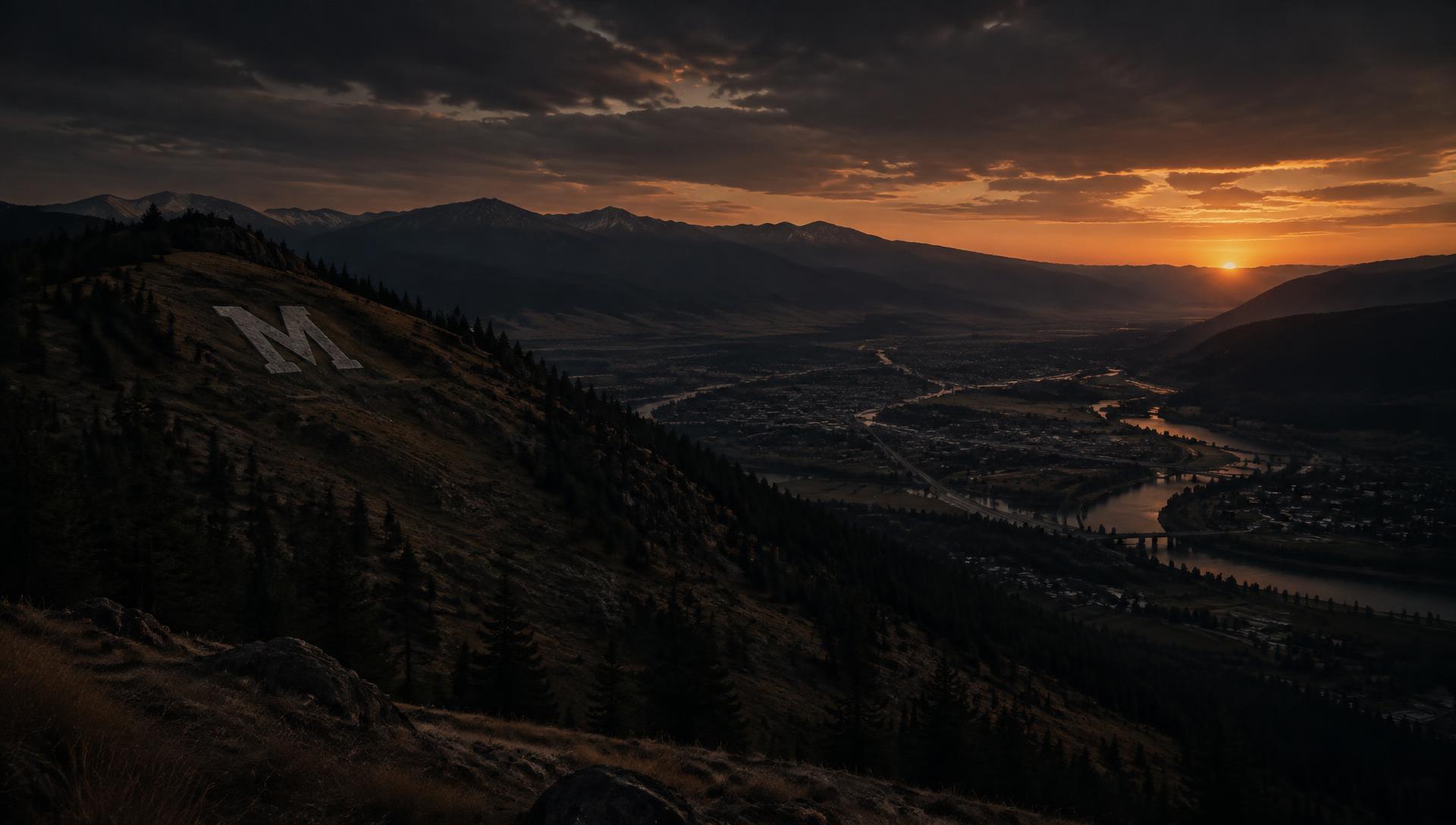
Why Montana first
Because this is where the idea lives, and because Montana is full of people who do serious work at a human scale — writers, musicians, makers, ranchers, scientists, storytellers on the reservations and in the towns between. People who are used to telling the truth without much of an audience. The first 100 Stories gives them one.
We're launching here alongside New York City on purpose. A place where the nearest neighbor might be twenty miles away and a place where they're twenty inches away, holding the same human act. Story isn't a regional practice. It's how we make sense of a life, wherever we're living it.
Live in Missoula
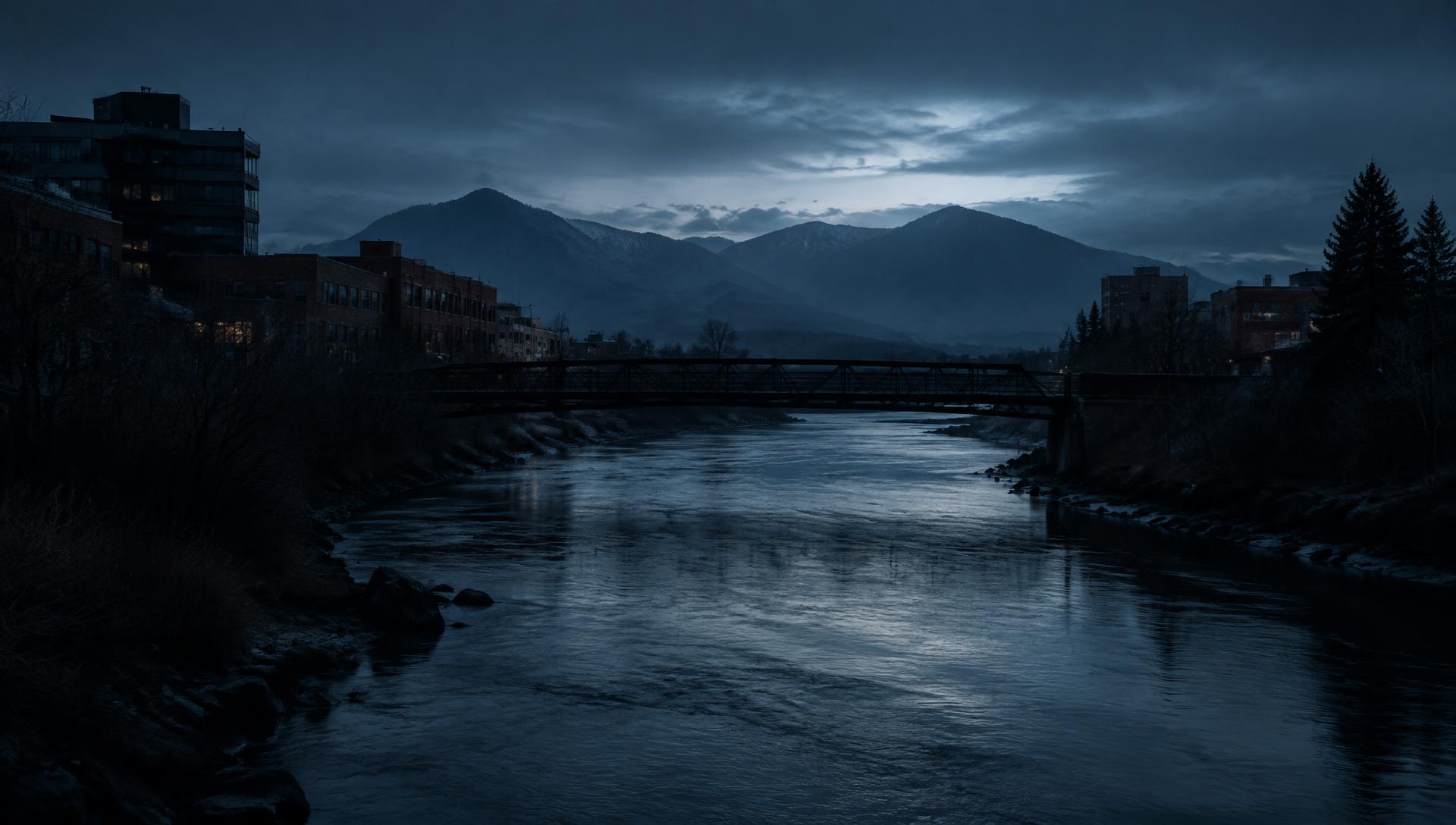
How it works
Ten storytellers are selected in each of ten forms. Each develops their story through the five acts of Narrative Intelligence with their form's curator. The hundred stories are presented live on Dates to be announced in Missoula, professionally documented, and published.
There is no fee to apply and no cost to participate.
- Applications openSeptember 27, 2026
- Applications closeTBA
- Curator conversationsTBA
- Storytellers announcedTBA
- Story developmentTBA
- 100 Stories Live: MissoulaDates to be announced
The ten forms
You choose one primary form. If your work crosses forms, tell us how.
Ten Mainstage Speakers
01Talks
A story told from the stage in your own voice. No script required, no slides required. Founders, physicians, scientists, teachers, leaders, activists — anyone whose medium is the spoken account of what happened and what changed.
- Presents
- A 10-minute mainstage talk in your own voice, shaped with a curator to follow the five acts.
- Submits
- A recording of any prior talk, a piece of writing, or a short self-recorded video telling part of the story.
Ten Spoken Word Artists
02Spoken word
Poems and spoken word written for the page or the stage.
- Presents
- A mainstage performance, up to 6 minutes, shaped with a curator to follow the five acts.
- Submits
- 3–5 poems or spoken word pieces, or a performance video.
Ten Musicians
03Music
An original song, composition, or set, performed live or recorded.
- Presents
- One mainstage piece, up to 5 minutes.
- Submits
- Recordings, videos, or lyrics.
Ten Dancers
04Dance
A choreographed or improvised movement piece, solo or ensemble.
- Presents
- One mainstage piece, up to 5 minutes.
- Submits
- Video of prior work; a description of the proposed piece.
Ten Filmmakers
05Film
A short film, documentary, or moving-image piece in any style.
- Presents
- A Screening Room film, 10 minutes or under including credits, introduced live by the filmmaker.
- Submits
- Links to prior work; a treatment or rough cut if the piece is in progress.
Ten Audio Storytellers
06Audio
A story made to be heard: documentary, podcast, sound, radio, or another audio form.
- Presents
- A Listening Room audio piece, up to 10 minutes, heard on headphones or in a small dark room.
- Submits
- Links or files to prior audio work; a description of the proposed piece or the piece itself.
Ten Photographers
07Photography
A series of still images that carry a story across frames.
- Presents
- A Gallery series of 8–20 prints or a projected sequence; the wall card carries the turn.
- Submits
- A portfolio link and a sample of the proposed series or related work.
Ten Visual Artists
08Visual art
Painting, drawing, sculpture, textile, ceramics, installation, design, craft — work made by hand or built in space.
- Presents
- A Gallery work or installation with an artist statement; the wall card carries the turn.
- Submits
- Portfolio images and a description of the proposed piece, with rough dimensions.
Ten Digital Artists
09Digital
Interactive, generative, AR/VR, animation, sound design, game, or any work that lives on a screen or in code.
- Presents
- A Gallery installation, projection, or screen-based experience; the wall card carries the turn.
- Submits
- Links to prior work; a description of the proposed piece and its technical needs.
Ten Writers
10Writing
Memoir, essay, fiction, or hybrid prose that tells the story on the page.
- Presents
- Published in full in the archive and printed anthology; a live reading only if the writer wants one.
- Submits
- A writing sample up to 2,000 words; no performance sample.
Who should apply
A storyteller might be a filmmaker, dancer, photographer, musician, spoken word artist, writer, audio storyteller, visual artist, founder, researcher, teacher, physician, leader — or simply someone with a story that needs to be told.
100 Stories is open to all. We are especially committed to stories that have gone unheard — and we build our curator teams and our slates to reflect that.
You don't need a finished piece. You don't need a résumé. You need a true story of something that changed, and a form you want to tell it in.
Open to storytellers 18+ who live in Montana or have a meaningful personal, creative, cultural, or professional connection to the state. Selected storytellers must be able to take part in story development and the live experience in Missoula.
What we're looking for
A story you were living inside that changed.
Not the story of your life. One story — a belief, an identity, an inheritance, a version of events — that shaped what you could see and do, until it didn't.
We want to know what that story was, how you came to see it, what became possible when you did, what you chose, and what you're doing differently now. That's the whole ask. The five acts are just the map.
It's yours.
Lived, not observed. You were inside it.
It's specific.
A particular story about a particular thing — a marriage, a diagnosis, a business, a faith, a family rule, a role, a name. The smaller and truer the story, the bigger it plays.
It turns.
Something you believed, assumed, or inherited became visible as a story rather than a fact — and that changed what you did next. Not every story has a happy ending. Every one of these has a turn.
It's still moving.
You've begun living the choice, and you can tell us what that looks like on an ordinary Tuesday. The LIVE act is where most stories fall apart or come alive. We're looking for the ones that come alive.
It needs your form.
There's a reason this story is a film and not a talk, a dance and not an essay. Tell us what the form lets you say that words alone can't — or, if you're a Mainstage Speaker, what the spoken account lets you say that nothing else does.
We don't need the whole life. We need the turn.
One story you were living inside that changed — told in the form you know best.
A few shapes we love
- The story you told about yourself that turned out to belong to someone else.
- The thing everyone agreed was true about your family, your town, your body, your work — until you sorted it.
- The identity you built a life around and then outgrew.
- The choice you made that looked like loss from the outside.
- The story that was protecting you, and what it cost to keep it.
- The one you're still learning to live.
Two honest notes
Changing a story doesn't change the world. A diagnosis is still a diagnosis; a system is still a system. We're not looking for stories where reframing made hard things disappear. We're looking for stories where seeing the story clearly changed what you could choose, and you chose.
You don't have to be finished. If you can see the story and the turn, apply. Selected storytellers develop the work with a curator over a development window before it goes on stage.
The five acts
Every story moves through five acts.
- 01
See
Recognition
What story was shaping how you saw it?
- 02
Sort
Discernment
What was true, and what had you made it mean?
- 03
Expand
Flexibility
What else became possible?
- 04
Choose
Agency
What did you release, reclaim, or choose?
- 05
Live
Enactment
What changed when you began living that choice?
The five capacities can be engaged in any order, and narratives continue to arise. Compassion is the stance beneath all five.
Curators
Each form has a curator — a working practitioner who reviews submissions in their discipline and helps shape the selected stories.
Curators will be announced soon.
Curators select. Partners and sponsors don't.
FAQ
No. Never.
Yes. You own your story and your work. 100 Stories asks for non-exclusive rights to document, publish, and archive your contribution — and selected storytellers receive the professional footage of their piece.
One application per place. Choose the form that fits the story best.
Apply. The Mainstage Speaker form exists for exactly this.
Curators in each form read every application, shortlist, and hold conversations with finalists. Selection is about the story and your relationship to it — not your following, credentials, or polish.
Availability for the development window and the live dates in Missoula, and a willingness to work on the story with your curator.
Yes — tell us your connection in the application.
Yes. If you know someone whose story belongs at 100 Stories, nominate them. A nomination is an introduction, not a guarantee of selection.
Still being decided — we'll post the answer here before applications close.
Tell us where you are. Demand decides where 100 Stories goes next. Bring 100 Stories to your city.
Submissions
Your story belongs here.
Applications for 100 Stories: Montana close on a date to be announced.